Subscribe and receive email notifications of new blog posts.
 RSS Feed
21
Coffee Academics: Finding Your Brew in Southwest Virginia
Coffee, the delightful distillation that invigorates and awakens us. According to some brands, America runs on it and it comes in just about every flavor, size, and preparation you can imagine. In this blog I'll teach you about some coffee basics, the three waves of coffee and what that means for coffee shops in America and what you can expect from each. Lastly, I'll give you a couple of my local favorites.
The Coffee Basics
It's all just bean water, right? As they say in college: Yes, but also no.
Coffee is a curious thing. Very simply, it's what you get when you grind roasted coffee beans and then run hot water over them, extracting the oils from the ground beans into a beverage. But the nuance lies in a myriad of factors regarding how the solution is made. What beans are used, how long they're roasted, where they were grown and in what soil, how the water is used to extract the oil (and even the water's chemistry!) and a great many other factors all affect the end product. The variations are immense and could (and do) take up a whole book, but for the average consumer there's two big choices: drip coffee, or espresso?
- Drip coffee can be brewed many ways, from manually pouring water over grinds, to automated processes like your home coffee pot. They key here is that water is poured over the grinds, filtered by gravity, and creates a solution containing the oils from the ground beans.
- Espresso is a whole other animal. Finely ground beans are packed into an espresso basket, pressed, and then water is introduced under pressure to create an emulsion; hence the velvety creme at the top of a good shot of espresso.
Espresso by itself can be an acquired taste, but I do recommend trying to find one that you like as it can be a great pick me up and very light when compared to a cup of coffee. Due to its often intense flavor espresso often forms the base of drinks like lattes, cappuccinos, and so forth. You might be surprised to find out, however, that the recipe for those drinks varies depending on which wave of coffee culture influenced your coffee shop!
The Coffee Waves
Coffee culture is typically broken up by three waves, each signifying a change in how coffee was prepared but also marketed to potential consumers.
- 1st wave coffee is typically defined by the first brands to bring coffee into the home. Maxwell House, Folgers and the like. Typically, this coffee is referred to as "commodity coffee" because its production and sale doesn't care much for where the beans came from and its use is highly utilitarian. Buy a can, put it in your coffee pot, and enjoy it. This is typically seen as the lowest quality of coffee, but as the saying goes, "The customer is always right in matters of taste".
- 2nd wave coffee began, in the US, with the arrival of coffee houses and shops like Starbucks and Caribou Coffee. These businesses brought the coffee shop into the mainstream as a destination; a place people could socialize outside the home over a hot cup. However, the bean selection and roasting techniques were largely in line with 1st wave coffee influences; very dark roasts with little concern for where the beans came from or their quality.
- 3rd wave coffee began in the 1980s and started gaining traction in the late 1990s and is the most recent and (I think) the most influential wave of coffee culture. In this wave, holistic consideration of coffee from its growing conditions, roast, and grind as well as what drinks those conditions made the bean best suited for became prevalent. Techniques for extracting the most flavor and accentuating a roast's flavor profile became important and even influenced traditionally second wave coffee houses (Starbucks Blonde roast, I'm looking at you) to adopt some of these practices.
What does this mean to a coffee shop?
Understanding the coffee waves and how they influenced coffee shops helps inform the experience you can expect at a given establishment. Most of the big 2nd wave shops have begun to incorporate some of the 3rd wave culture but are distinguished by an emphasis on speed of service. Satrbucks is the ubiquitous example; you can sit if you want to, but the baristas are focused on getting and processing your order as quickly as possible while retaining quality. It's still a volume business at the end of the day. Specialty drinks will typically contain sweetening syrup by default. Food will typically be a pre-packaged affair.
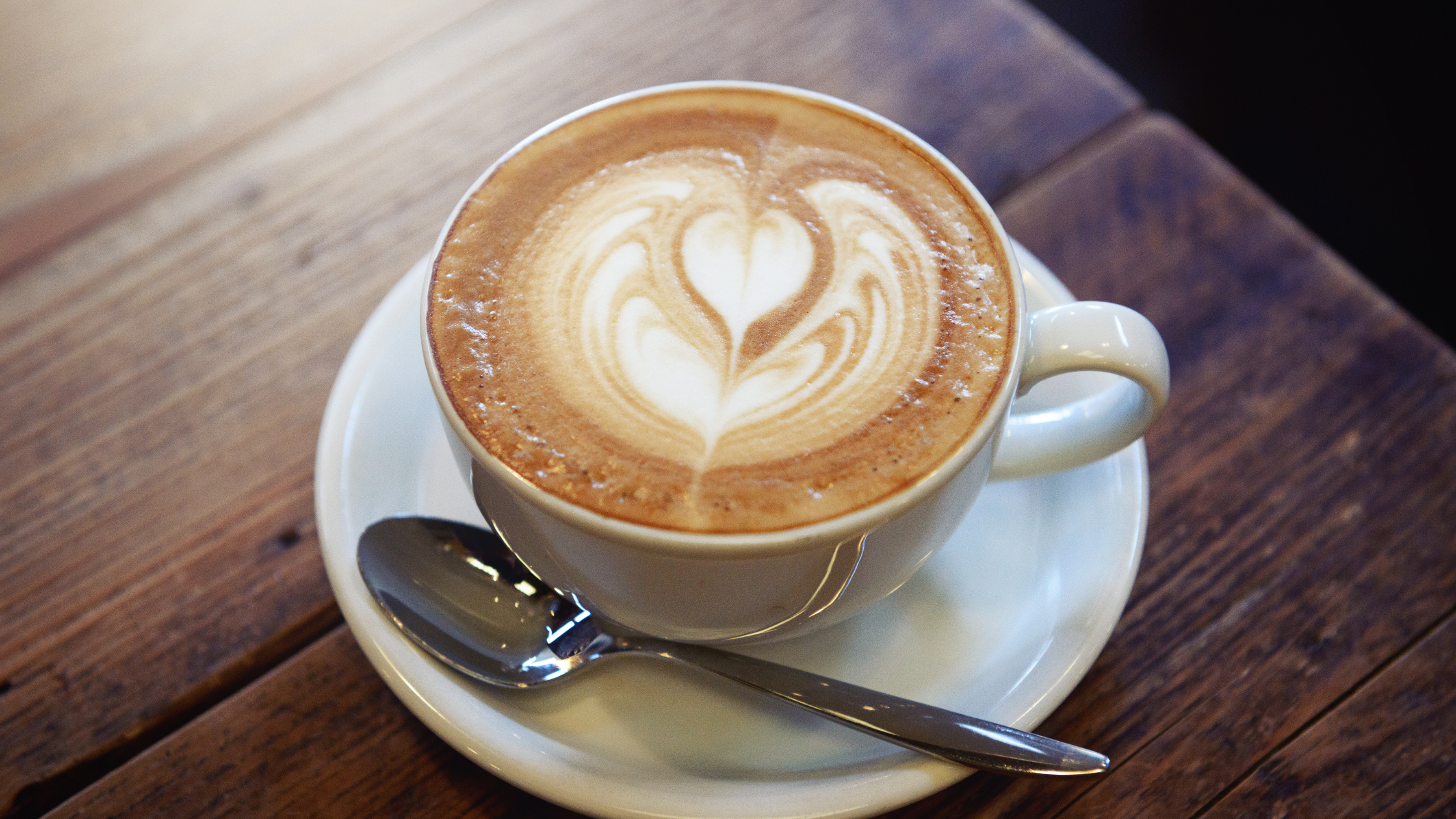
3rd wave shops, on the other hand, typically follow the style of European cafes. Expect a more deliberate and slower preparation of your drink and a space where you can comfortably sit and enjoy your beverage. There's typically a wide range of specialty beverages to choose from, like macchiatos, lattes, ristretto and lungo espresso as well as lattes and cappuccinos. Expect these to focus on the bean though; there'll be slight sweetness from the steamed milk but usually no added flavor unless you request it. Presentation is as important as anything and you'll likely be treated to some latte art by the barista crafting your drink. Food is usually a lighter fare from local bakeries.
TLDR; where's the good stuff?
Roanoke has a great coffee community and there's several spots I suggest you try. Most will be familiar to locals but if you find yourself visiting, or entertaining visitors, these local spots are sure to delight:
Bean Bliss Coffee Bar - Located in quaint downtown Salem, this cozy coffee bar (converted from an old ice cream shop) is all in on serving local fare. Gladheart Coffee roasted in Roanoke, breakfast sandwiches made with biscuits from Scratch Biscuit Company, and retail offerings from Fechko Farmhouse Candle Shop, 4S Farms, and Charcuterie a la carte. It's a relaxed and unique character is the perfect space to enjoy an invigorating morning sip or a relaxing beverage with company.
Mill Mountain Coffee and Tea – A pillar of Roanoke for as long as I've been around and with locations throughout the valley. They roast their own beans and in a wide variety. The house blend drip coffee, Mill Mountain Roast, is available every day as well as a rotating selection of flavored and daily coffees. Breakfast and lunch offerings from the kitchen and ample, cozy space makes Mill Mountain a great fusion of 2nd and 3rd wave culture.
Sweet Donkey – Solidly a 3rd wave experience, expect dedicated craft from the staff here and an adherence to more traditional coffee preparations. There's no shortage of great specialty drinks though; the Vermont Maple and Orange Silk lattes are a must try. Sweet Donkey also sells pastries and food from other local shops, so it's a great way to get a sampling of the valley in a one-stop-shop. Weekend breakfast here is a treat owing to the peerless homemade waffles with fresh fruit.
Have a spot you love but that I didn't mention? Tell me about it! I love coffee, coffee culture, and trying new shops and I'd love to hear where you stop to enjoy a hot cup!

My name is Nick Crutchfield, and I'm a REALTOR® with MKB proudly serving the Roanoke Valley; including Roanoke County, Roanoke City, Vinton, Botetourt, and Salem. Salem itself is my hometown and returning home after many years away feels like a full-circle moment—and has me excited to help others find their place in this historic and neighborly community. Contact me at nickcrutchfieldmkb@gmail.com
Our Partners